

 最新消息
最新消息 關於我們
關於我們 學分課程
學分課程 華語教學學分課程
 華語班
華語班 師資培訓課程
 活動相簿
活動相簿 其它資訊
其它資訊 最新消息
最新消息 語言的學習,從來不只是課本上的生字與語法。
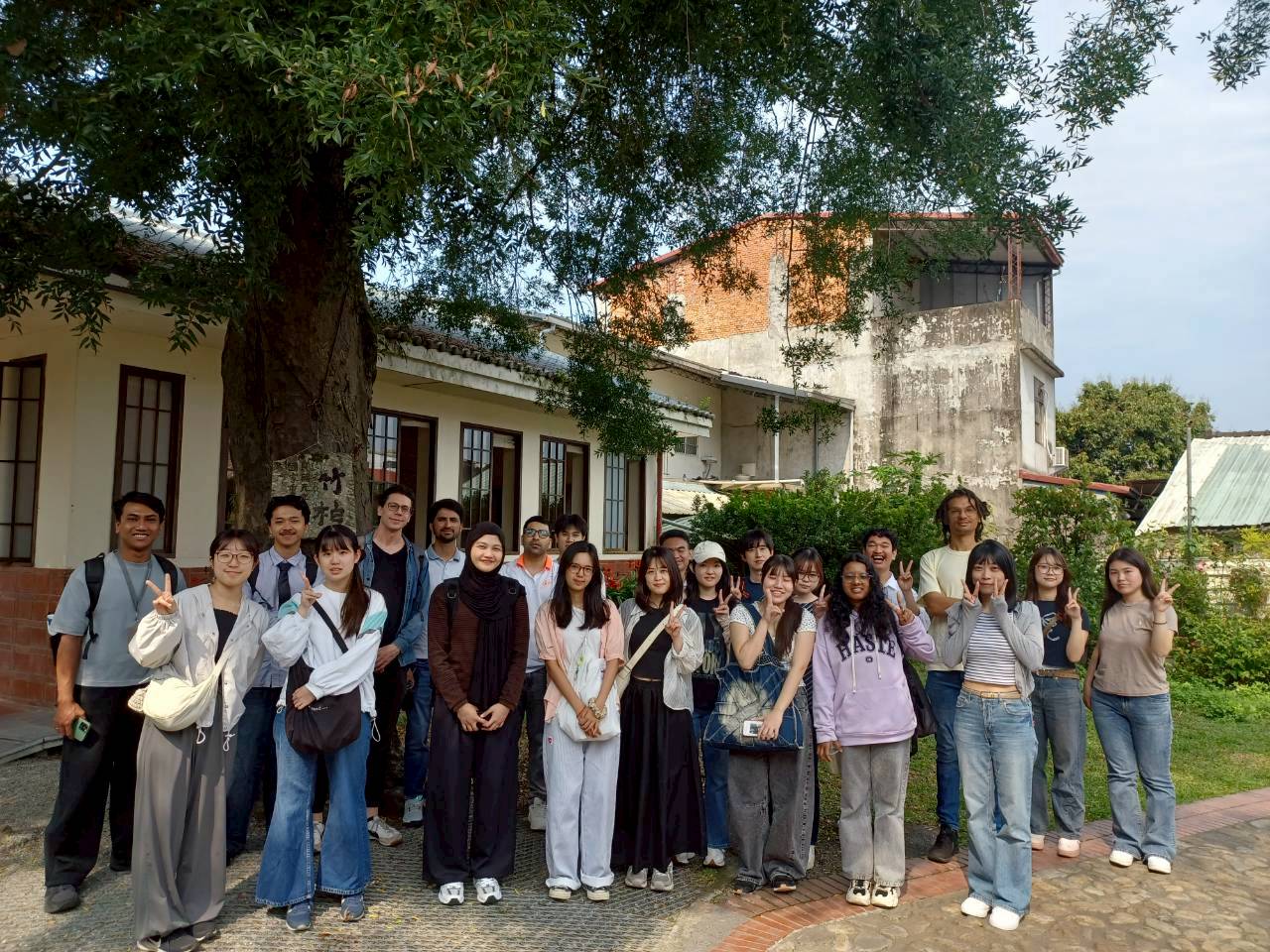
4月11日,華語中心帶領來自世界各地的國際學生,前往南投埔里進行一日文化參訪。這天的行程橫跨三個地點,走過了造紙的歷史、生態村落的重生,以及一座從日本漂洋過海而來的教堂。
廣興紙寮一張紙的誕生
在廣興紙寮,學生們捲起袖子,親手操作傳承千年的抄紙工藝。將竹簾緩緩沉入紙漿、提起、等待水分蒸散,每一個步驟都急不得。課程後半段,學生們以古老雕版拓印出各式圖樣,每一張都是獨一無二的作品。課程結束時,每位學生手捧著自己完成的成品離開,這大概是當天最直觀的成就感。
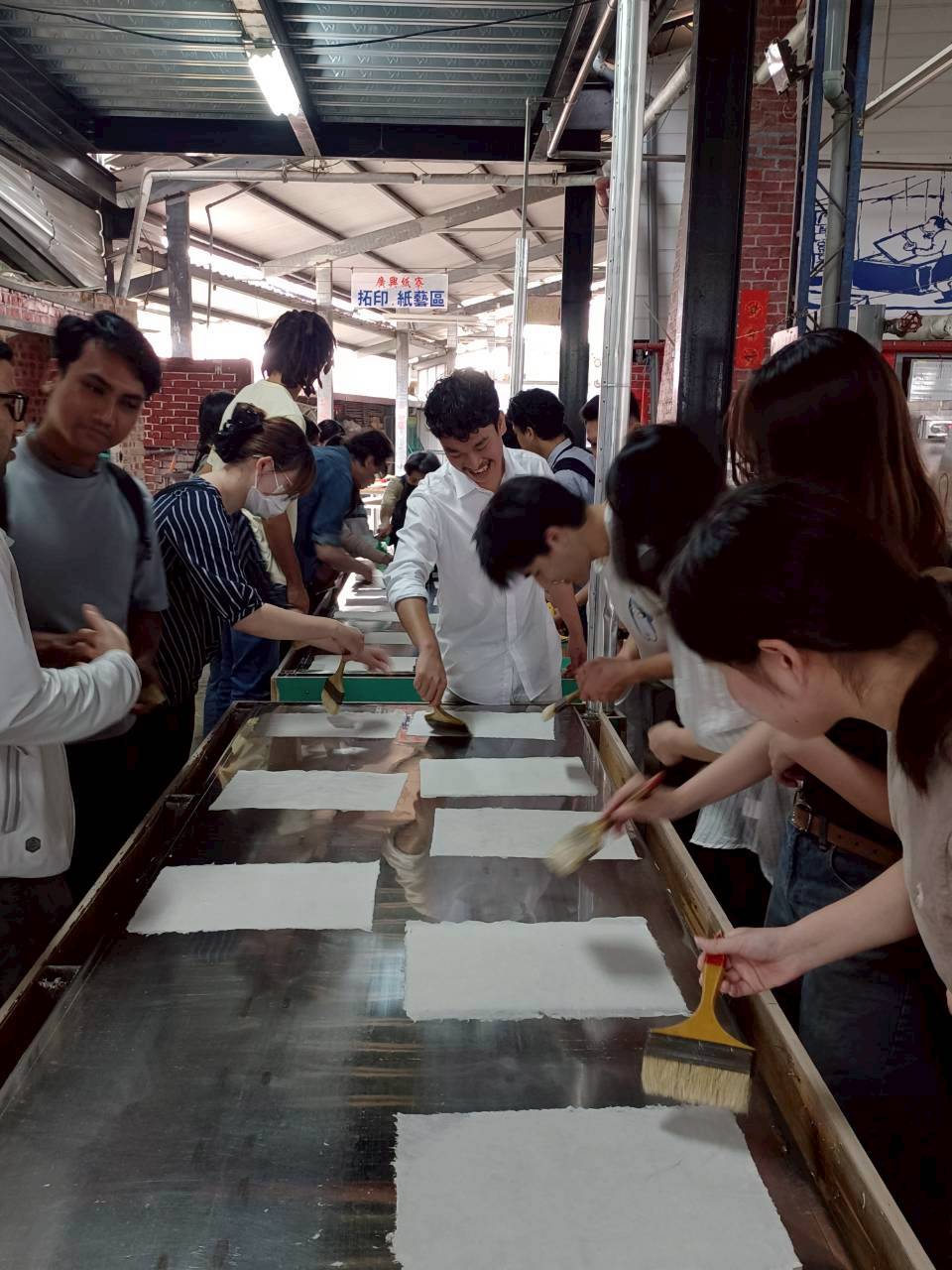
廣興紙寮 · 親手體驗抄紙工藝
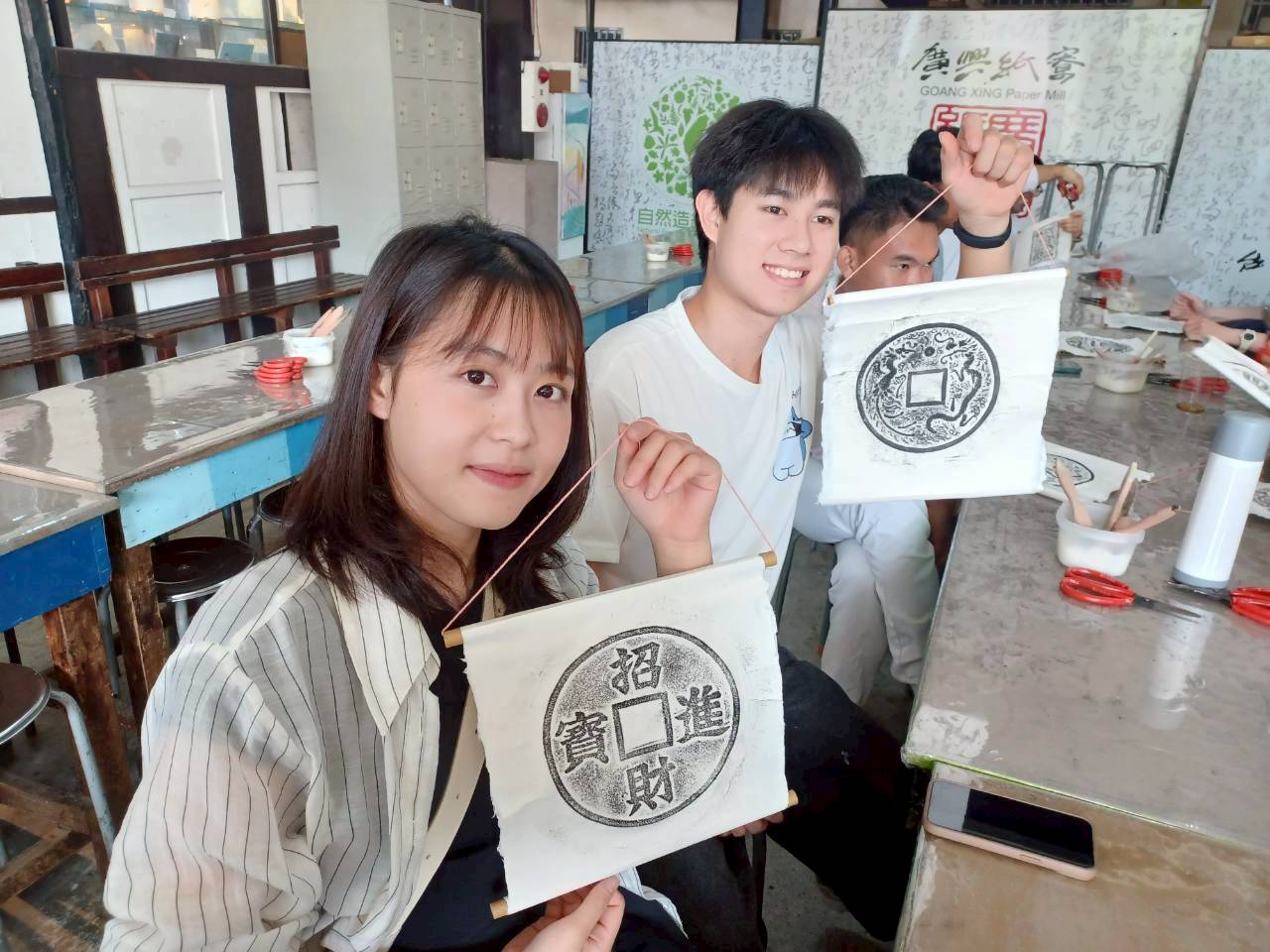
每位學生的作品各有不同,獨一無二
桃米生態村
在自然裡慢下來
下午前往桃米生態村,在蟲鳴鳥叫的步道上走了一段,也在走讀桃米吃了午餐。這裡曾在921大地震中幾乎夷為平地,後來由居民以生態保育為核心重新建起,如今是南投山間一個安靜而美好的所在。
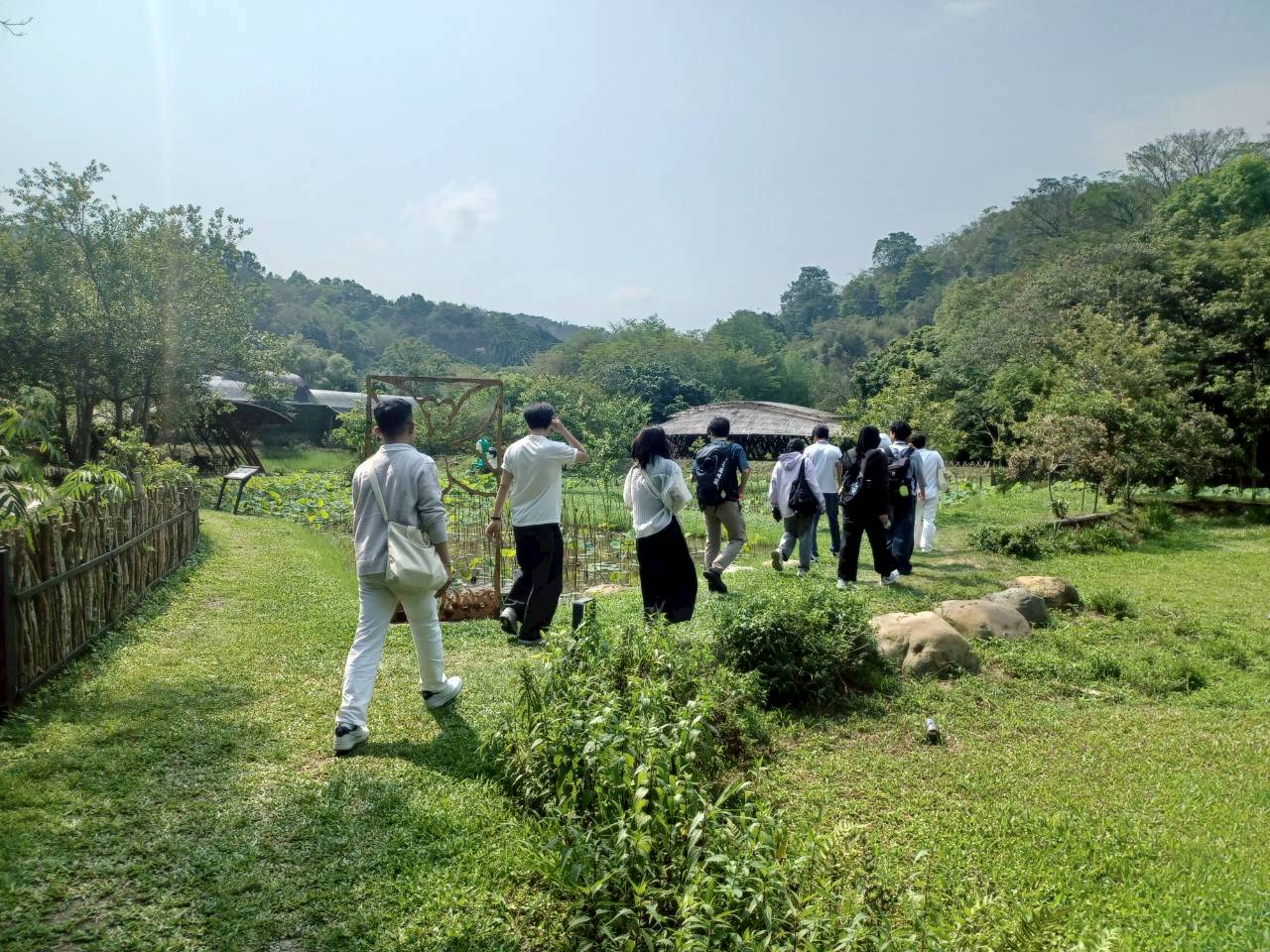
走讀桃米 · 山村午後
紙教堂
從廢墟中站起來的力量
行程的最後是紙教堂。這座以紙管搭建的建築,原本是1995年阪神大地震後,建築師坂茂在日本神戶為受災居民建造的臨時教堂。數年後,它跨越海洋移築至埔里,成為臺灣921重建歷程中一個特別的存在,也是臺灣與日本之間一段溫柔的連結。在專業解說員的帶領下,學生們走進了這棟建築,也走進了它背後的故事。
走出課室、走進真實的臺灣,讓每一句中文都有了可以依附的記憶與場景。這是華語中心一直在做的事,也是我們相信語言學習該有的樣子。
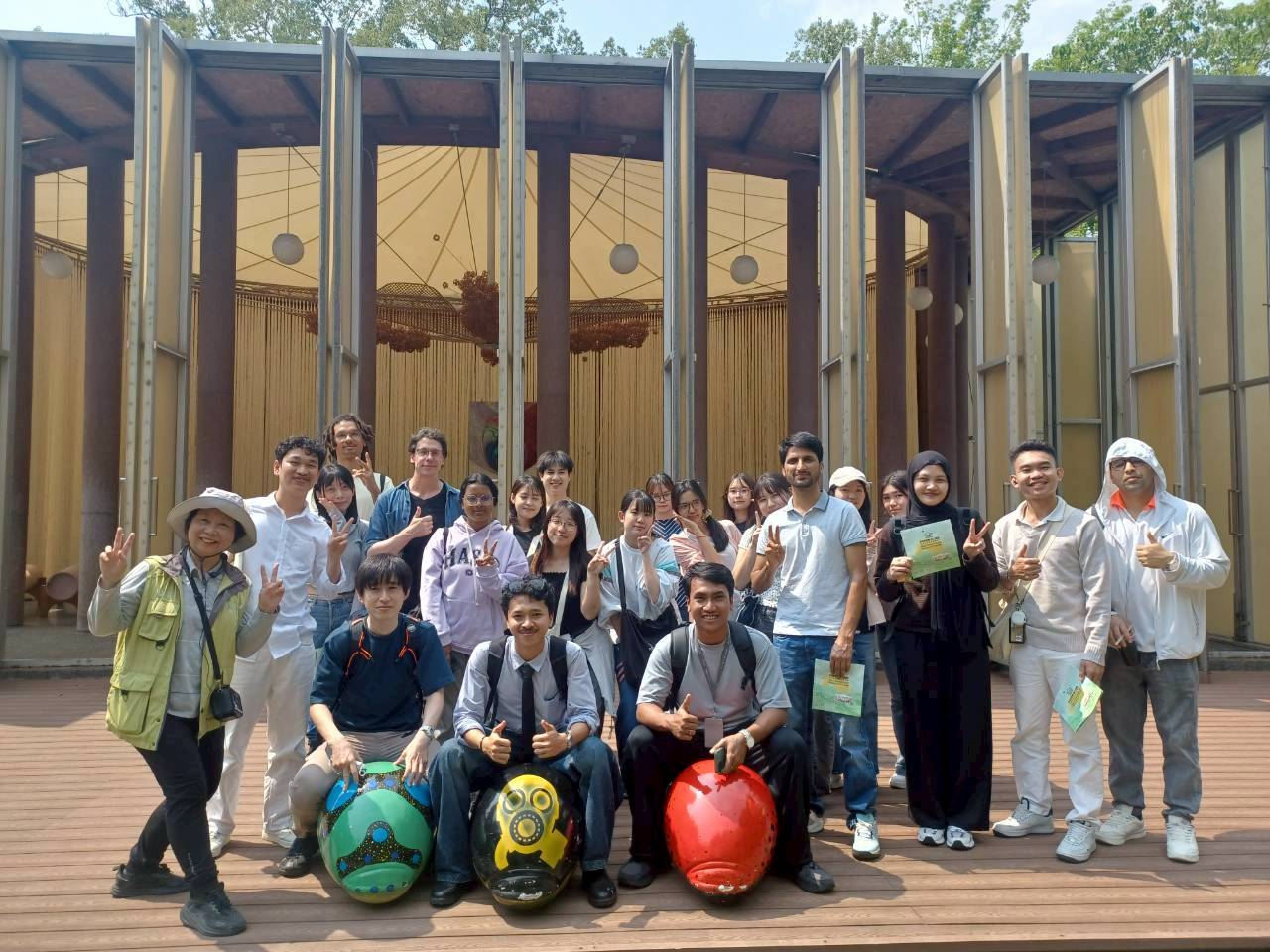
紙教堂 · 南投縣埔里鎮桃米巷
2026 年 4 月 11 日 · 埔里
English
Language learning has never been confined to a classroom.
On April 11th, the Chinese Language Center of National Chung Hsing University brought a group of international students to Puli, Nantou, for a full-day cultural excursion. The itinerary covered three sites, each carrying its own history: a traditional paper mill, a community rebuilt around ecological conservation, and a church with a story that spans two countries and two earthquakes.
Goang Xing Paper MillWhere a Sheet of Paper Begins
At the Goang Xing Paper Mill, students experienced the thousand-year-old craft of handmade papermaking. Working with bamboo screens and fiber-filled vats, they scooped, lifted, and waited — learning early on that this is not a process you can rush. In the second half of the session, students used carved woodblocks to print traditional patterns onto their handmade sheets. Each piece came out slightly different, and each student left with something genuinely made by their own hands.
Taomi Eco-Village
Slowing Down in Nature
In the afternoon, the group traveled to Taomi Eco-Village. Nearly destroyed by the 1999 Chi-Chi Earthquake, the community chose to rebuild around ecological values rather than simply restore what had been lost. Today it is a quiet, thriving village. Students walked the nature trails, had lunch in the village, and spent some time simply slowing down.
The Paper Dome
A Structure Born from Tragedy, Rooted in Hope
The final stop was the Paper Dome. The building was originally constructed in Kobe, Japan, after the 1995 Great Hanshin Earthquake, designed by architect Shigeru Ban using cardboard paper tubes as a temporary church for survivors. After fulfilling its purpose in Japan, it was dismantled and rebuilt in Puli, where the community was still recovering from the Chi-Chi Earthquake. It has since become both a landmark and a symbol of the quiet solidarity between Taiwan and Japan. A professional docent guided students through the space and the layers of history it holds.
At the Chinese Language Center, we believe that language learning extends beyond the classroom. Taking students into real environments, connecting vocabulary to lived experience, giving Chinese words a place and a story to belong to — this is central to how we approach our work, and days like April 11th are part of that commitment.


