

 最新消息
最新消息 關於我們
關於我們 學分課程
學分課程 華語教學學分課程
 華語班
華語班 師資培訓課程
 活動相簿
活動相簿 其它資訊
其它資訊 最新消息
最新消息 語言的學習,需要一個願意停下來陪你說話的人。
今年春季,華語中心啟動了學伴計畫,將中興大學本地學生與華語班國際學生配對,讓語言練習走出教室,走進台中的街道、咖啡廳、夜市,也走進彼此的生命故事。
第一階段裝備學伴:五場培訓工作坊
在正式配對之前,我們為台灣學生舉辦了五場培訓,幫助他們建立陪伴國際學生時所需的知識、技能與跨文化敏感度。
03/31(二) 12:00–14:00 · 萬年樓
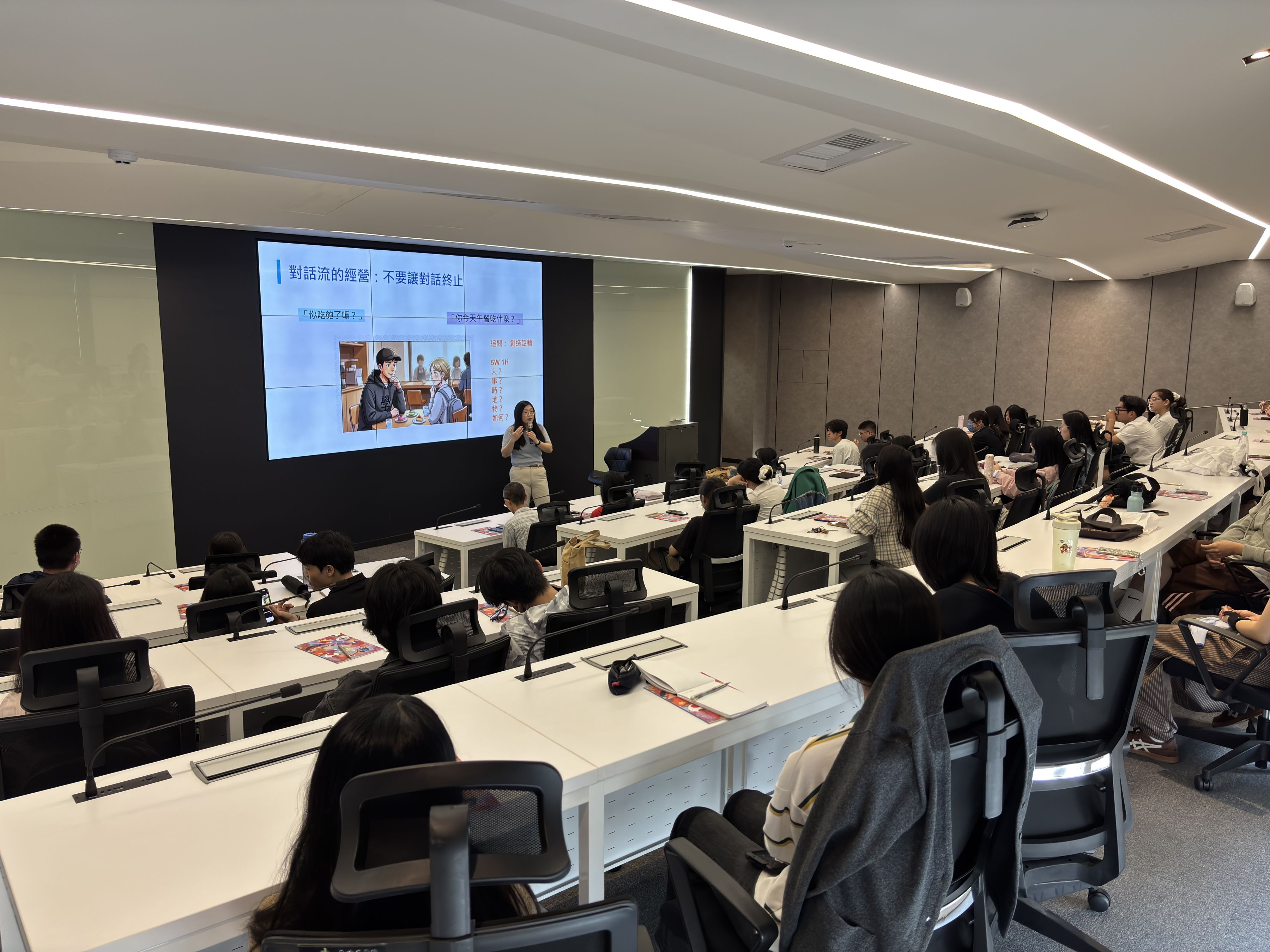
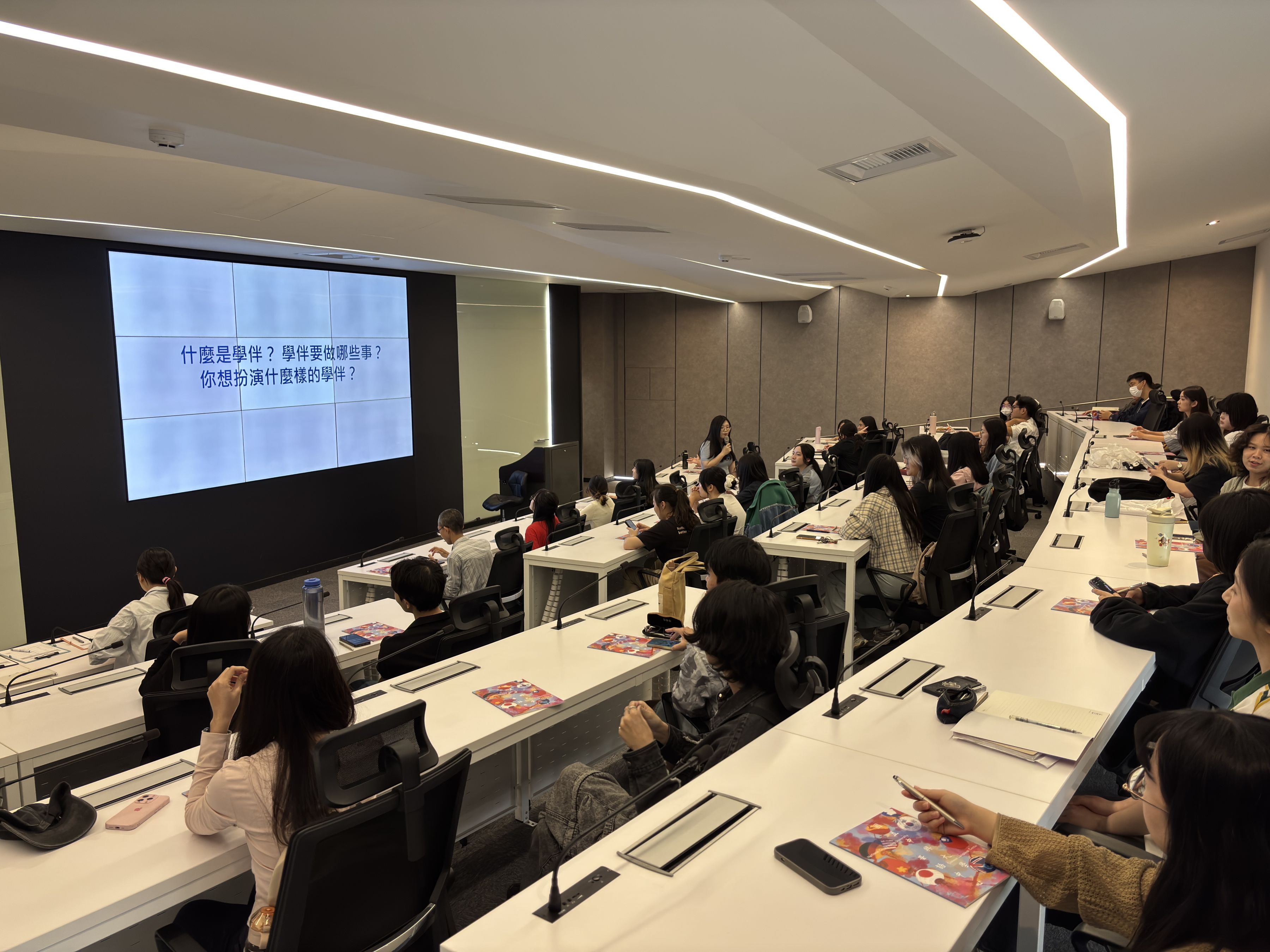
學伴核心職能:角色定位與中文帶練實務
學伴不是老師,但也不只是聊天的朋友。這堂課幫助台灣學生釐清自己的角色——如何在不主導、不說教的前提下,引導國際學生開口說中文;如何根據對方的程度調整語速與難度;如何用問題帶出對話,而不是用答案結束它。
.jpg)
04/17(五) 12:00–14:00 · 萬年樓
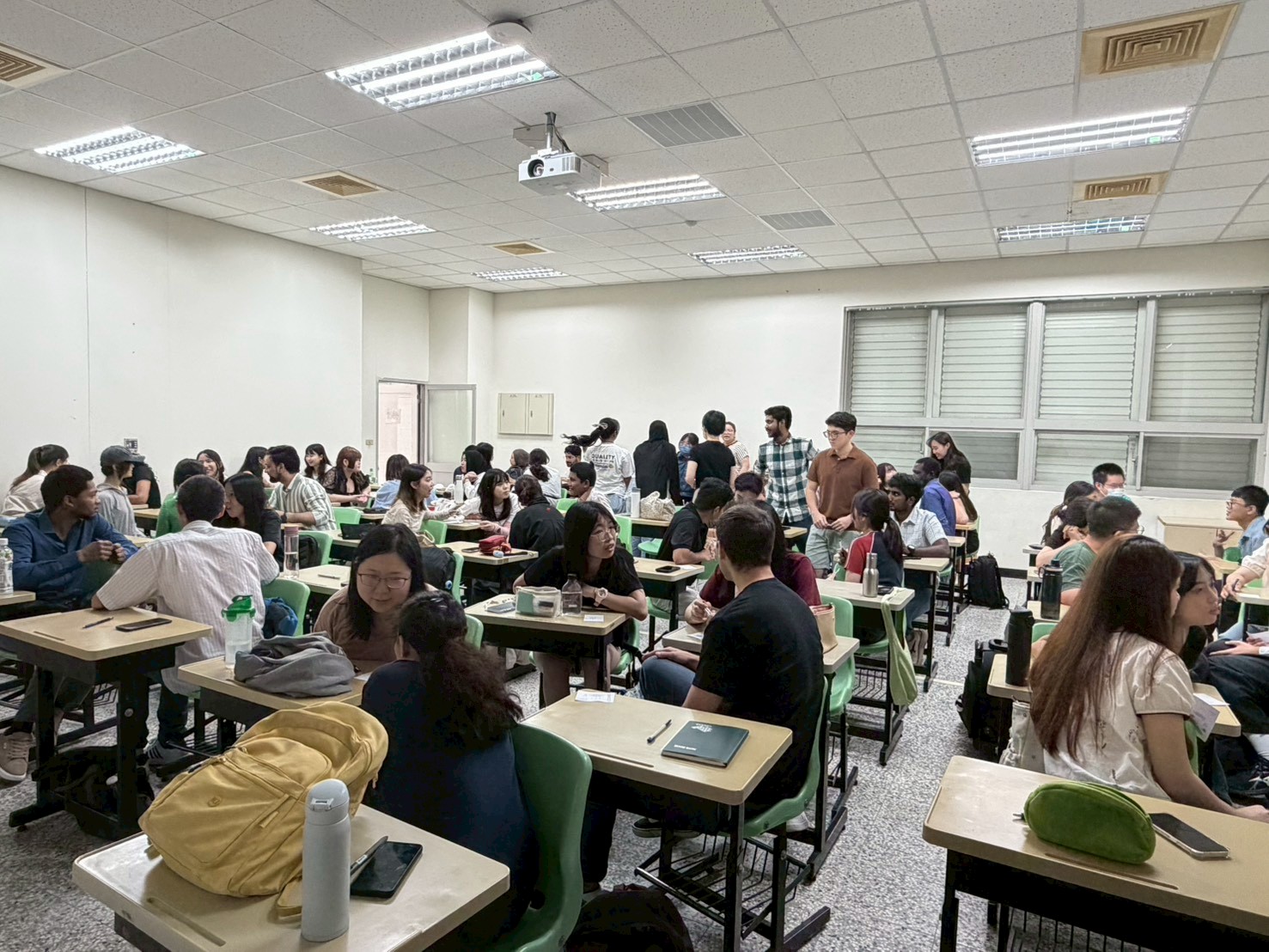
午餐媒合會:與國際生一起吃午餐,正式見面!
培訓之後,最重要的一步是真正見面。這場午餐媒合會讓台灣學伴與被配對的國際學生第一次面對面,在輕鬆的用餐氛圍中自我介紹、互相認識。沒有課本、沒有作業,只有一頓飯的時間——而這,往往是一段長期交流關係的起點。
04/24(五) 12:00–14:00 · 萬年樓
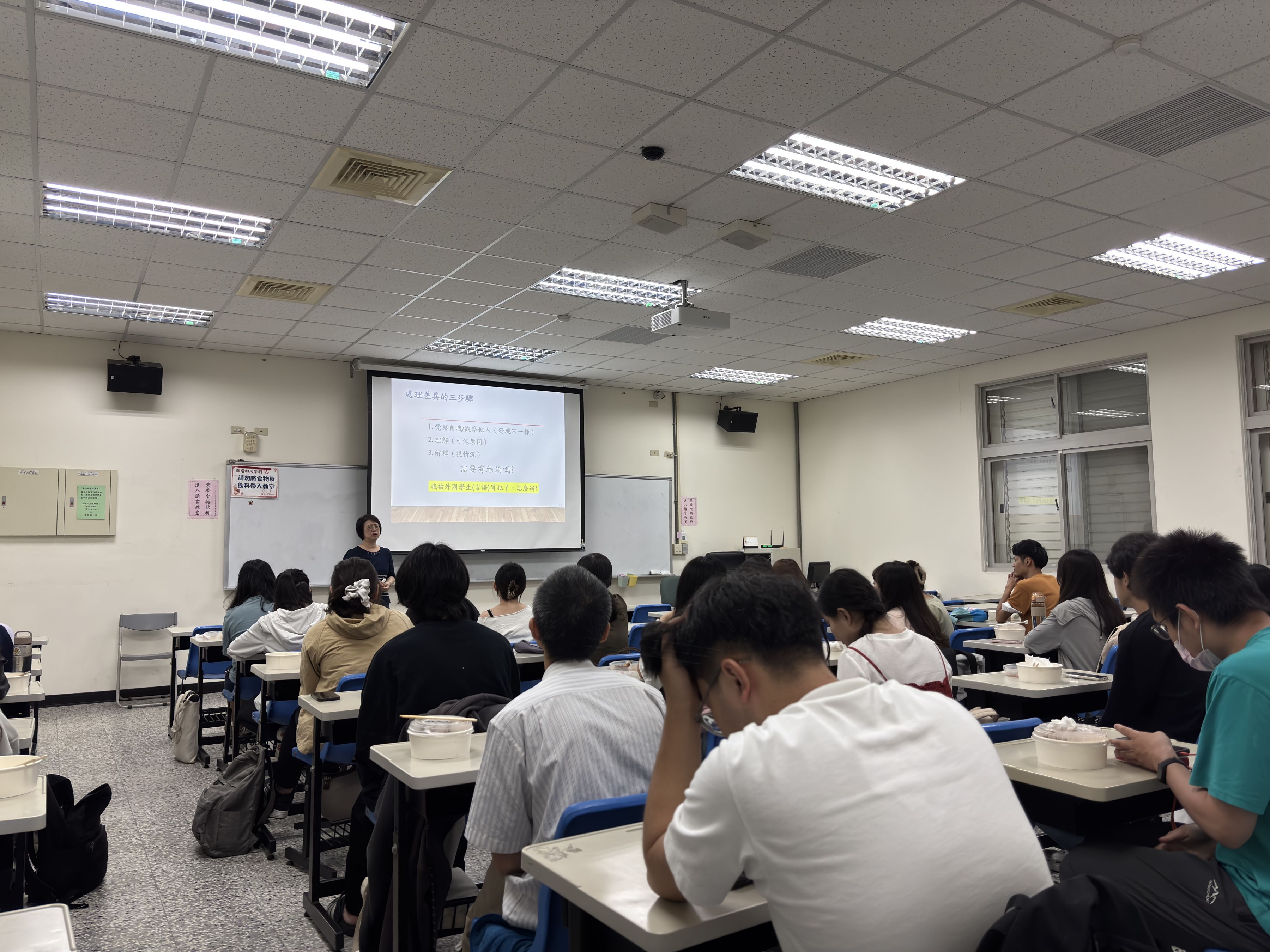
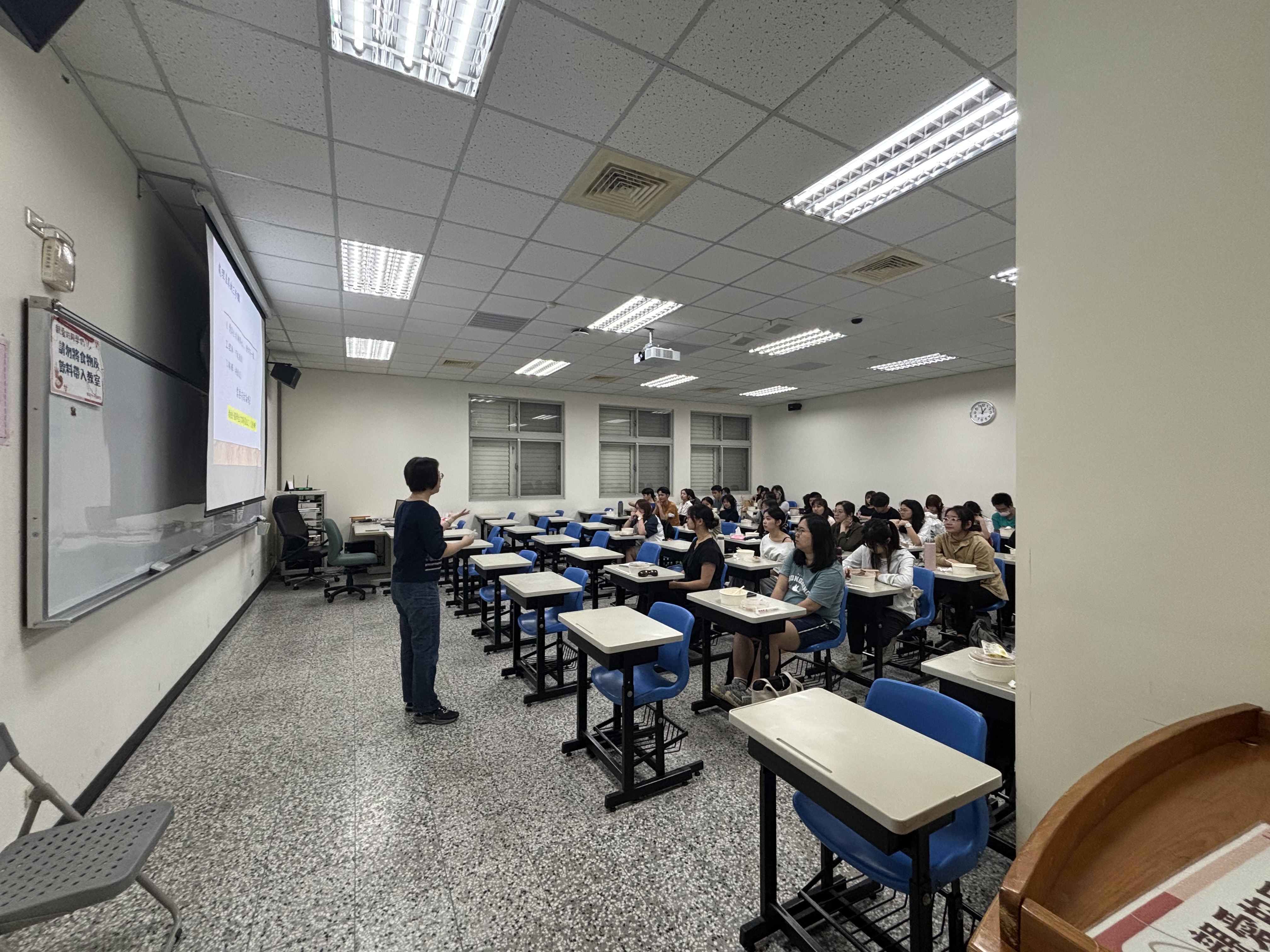
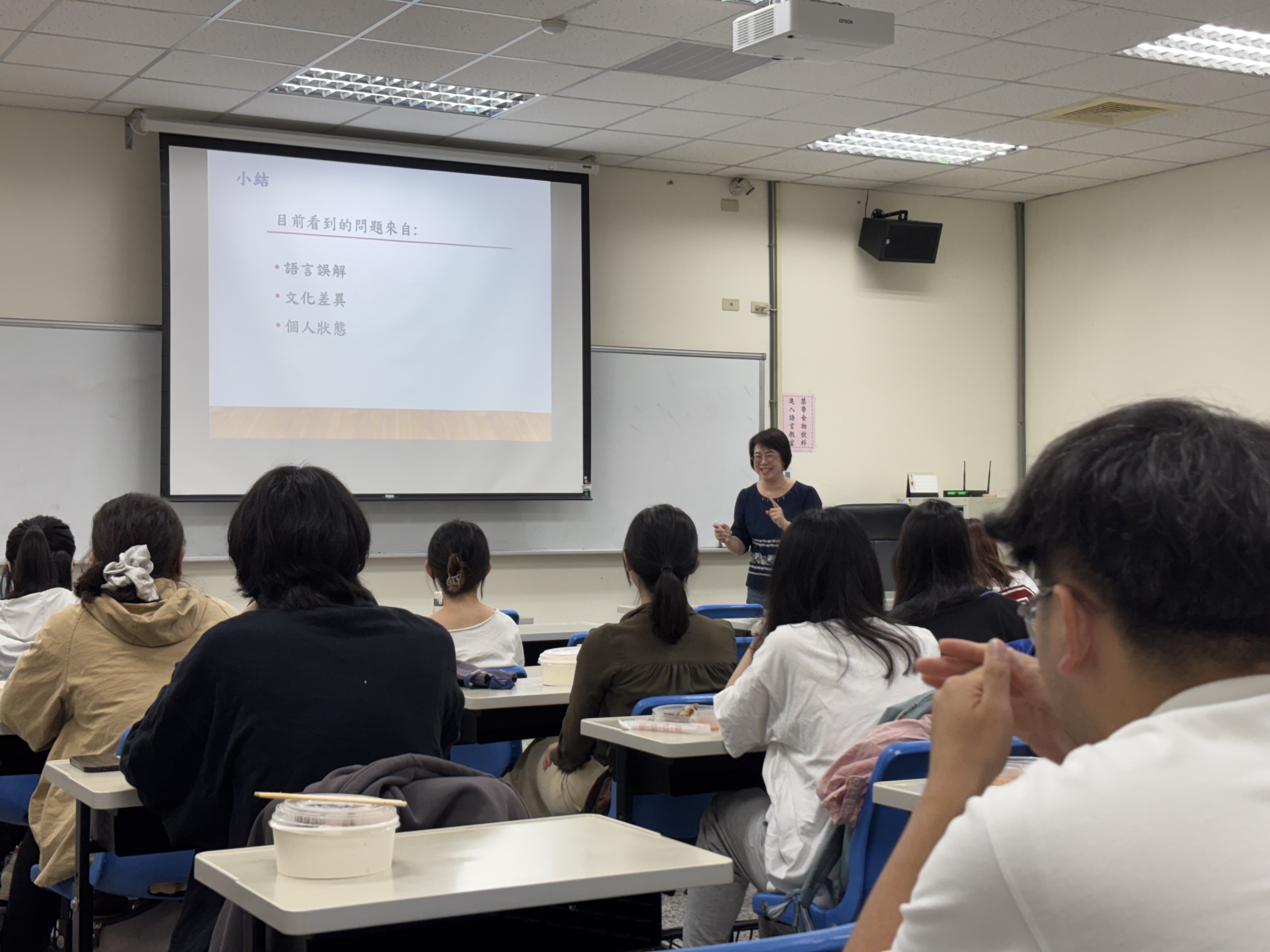
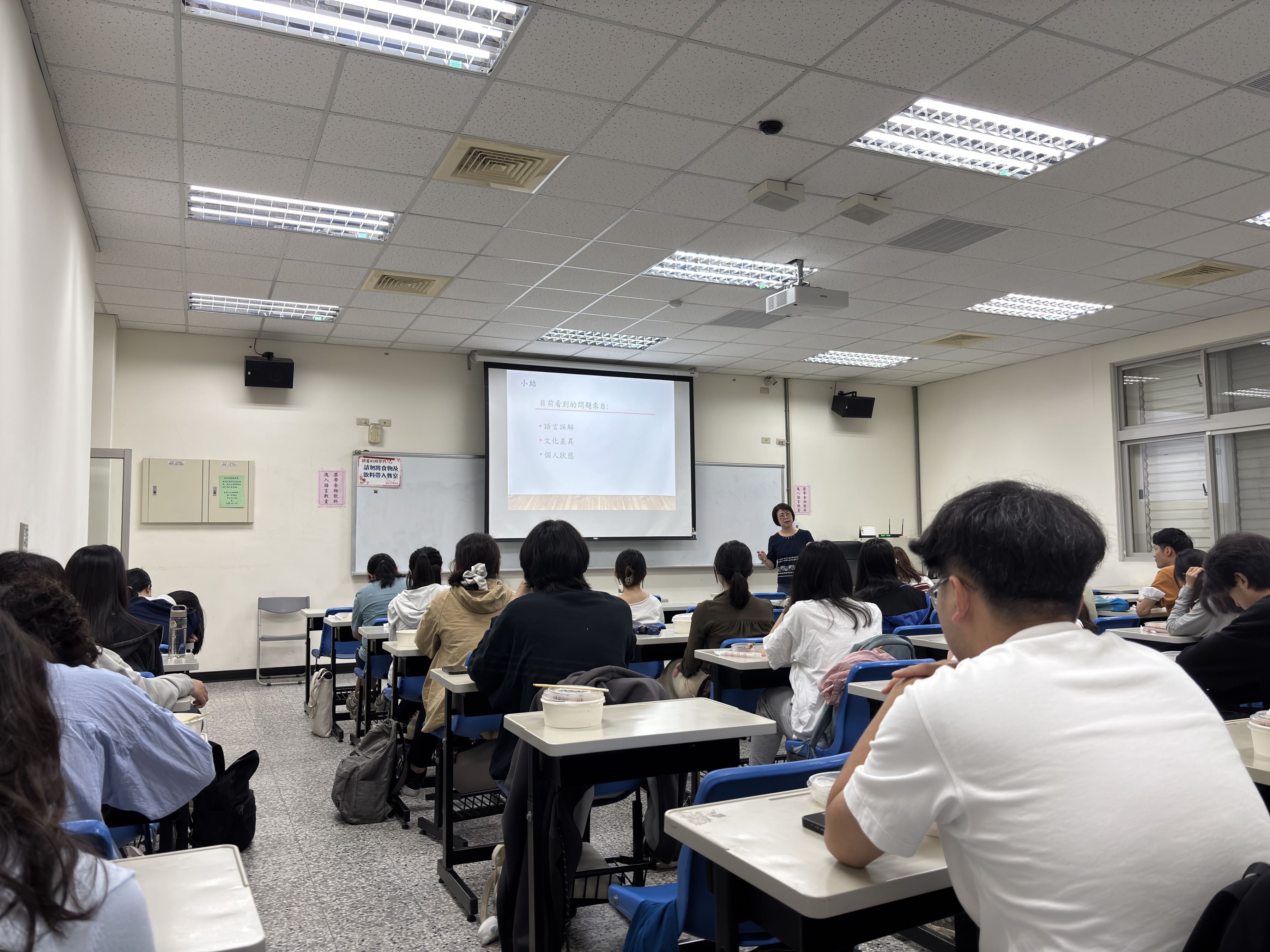
在地文化實作:人情義理、生活禮儀與跨文化溝通
語言之外,文化才是真正的溝通關卡。這堂課帶學伴認識台灣人際關係中那些說不清楚卻無所不在的默契——客套話背後的真實意思、送禮與收禮的眉角、面子文化在日常對話中如何運作。讓學伴在陪伴國際學生時,不只能解釋語言,也能解釋「為什麼台灣人這樣說、這樣做」。
05/07(三) 12:00–14:00 · 萬年樓
漢語拼音與發音基礎(一):從注音到拼音,看得懂、聽得出、幫得到
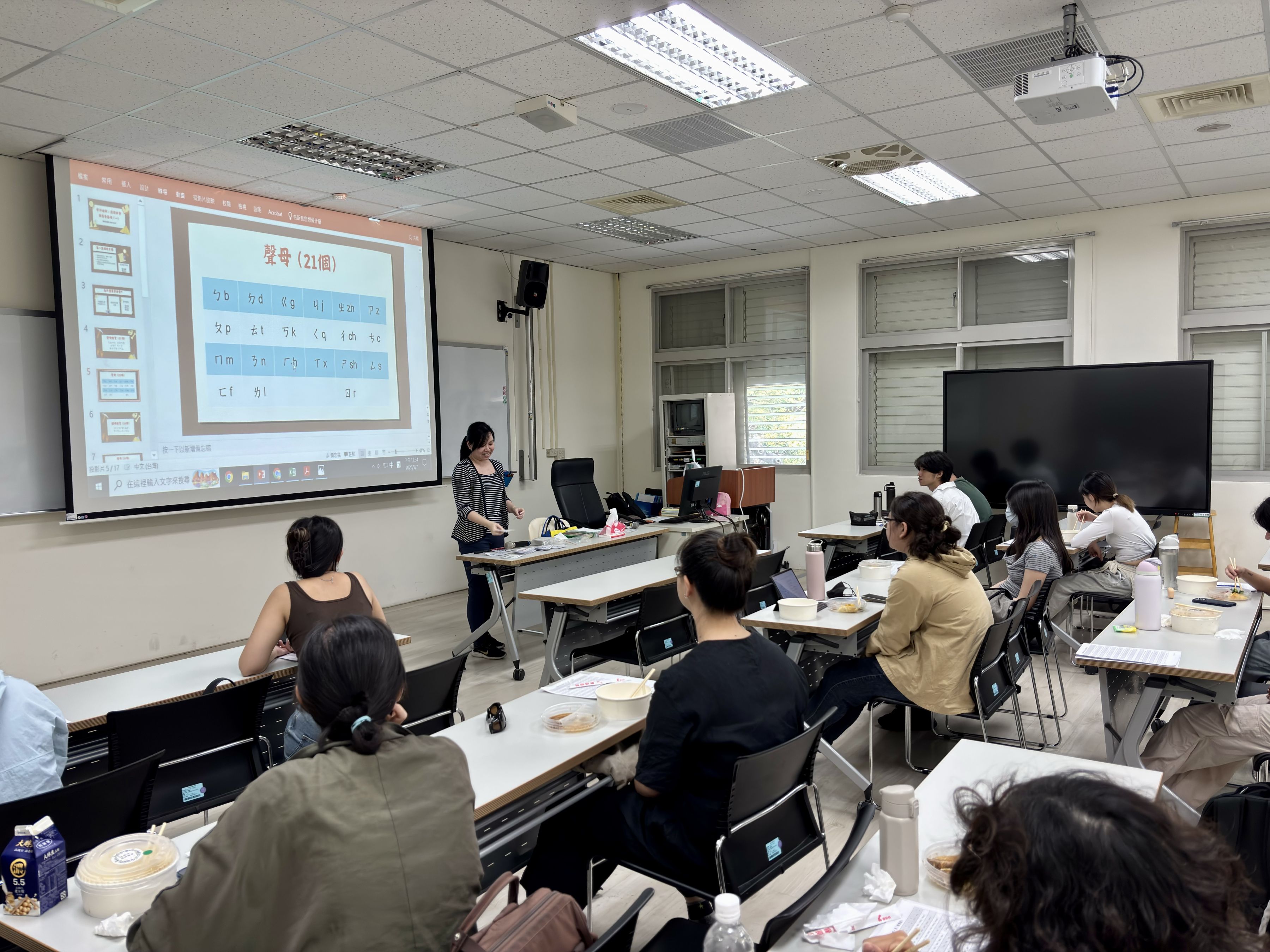
台灣學生從小學注音,但國際學生學的是漢語拼音——同樣是標音系統,符號卻完全不同。這堂課幫助學伴建立漢語拼音的系統性認識:哪些拼音和注音對得起來、哪些容易混淆、哪些在發音上有台灣學生沒想過的細節。有了這個基礎,學伴才能在國際學生唸出奇怪的音時,知道問題出在哪裡、該怎麼幫忙糾正。
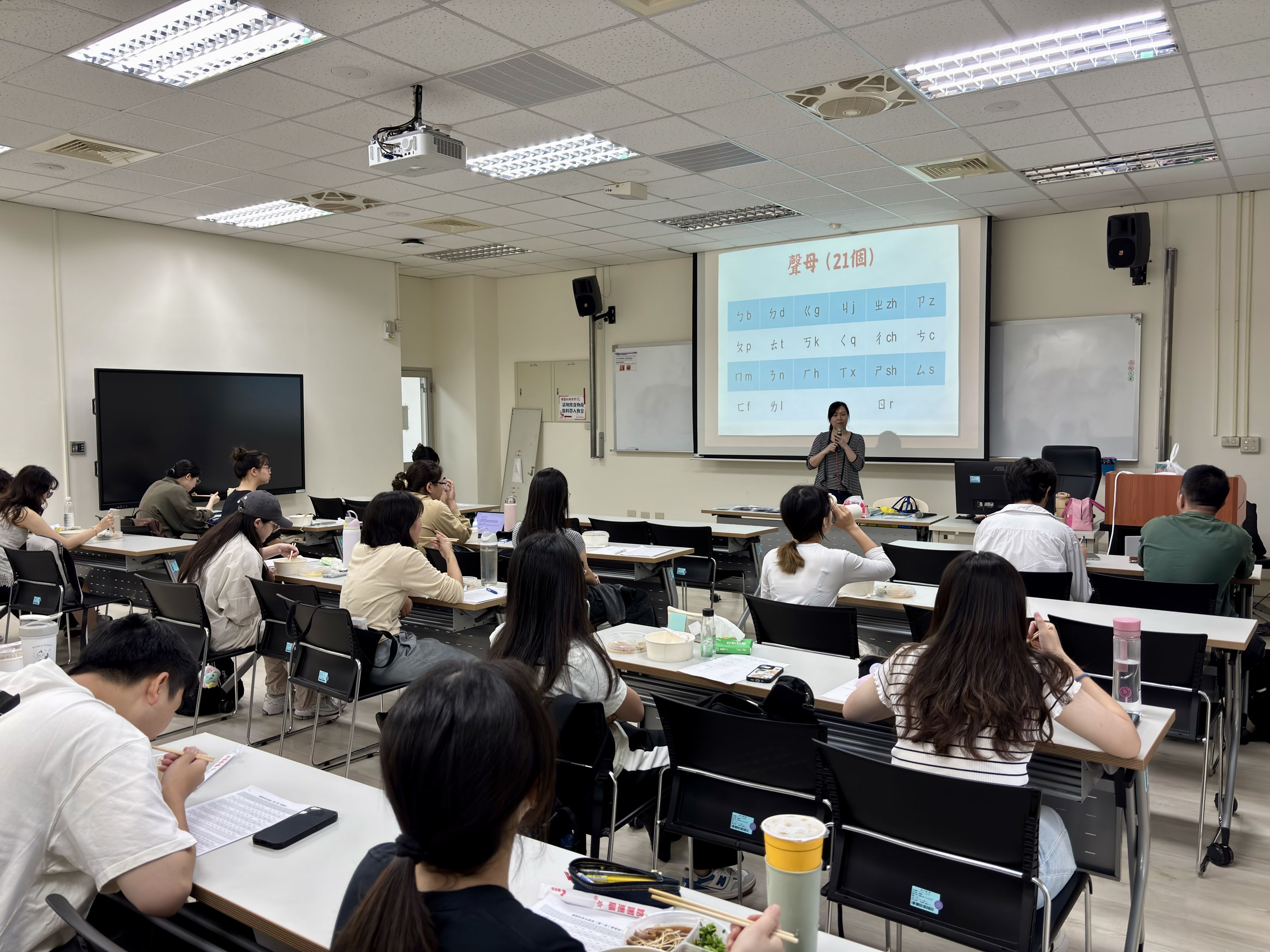
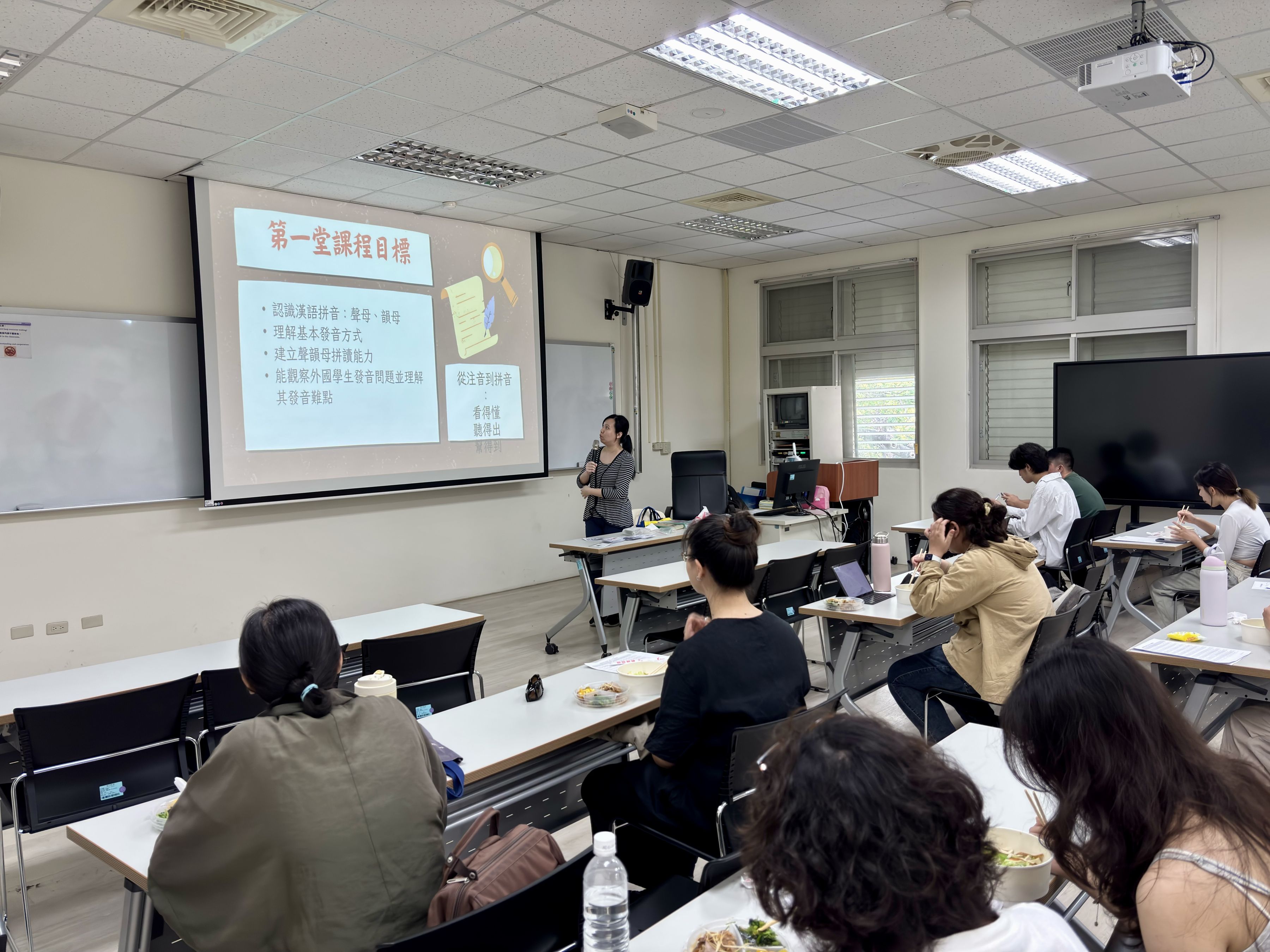
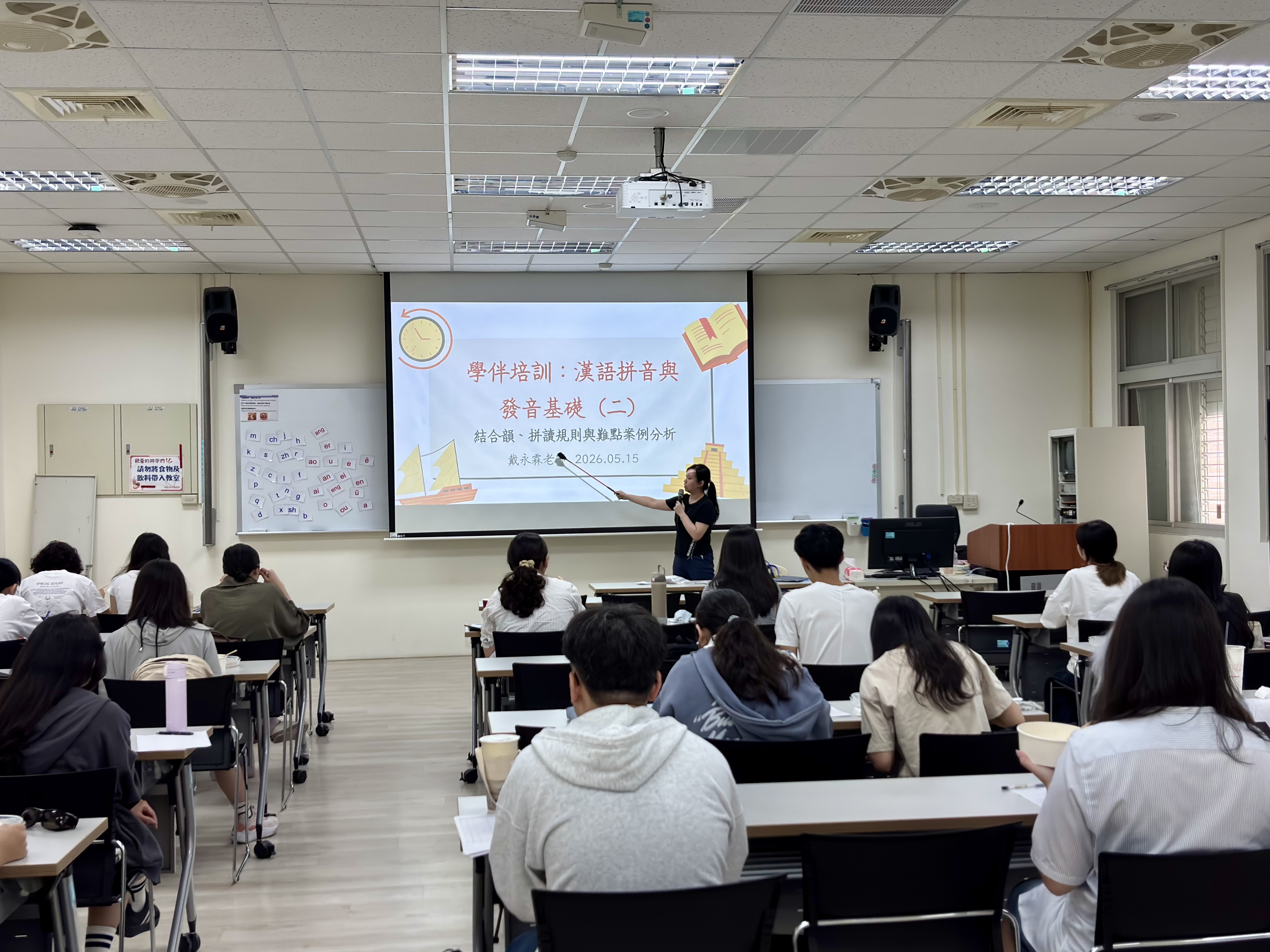
05/15(四) 12:00–14:00 · 萬年樓
漢語拼音與發音基礎(二):從注音到拼音,看得懂、聽得出、幫得到
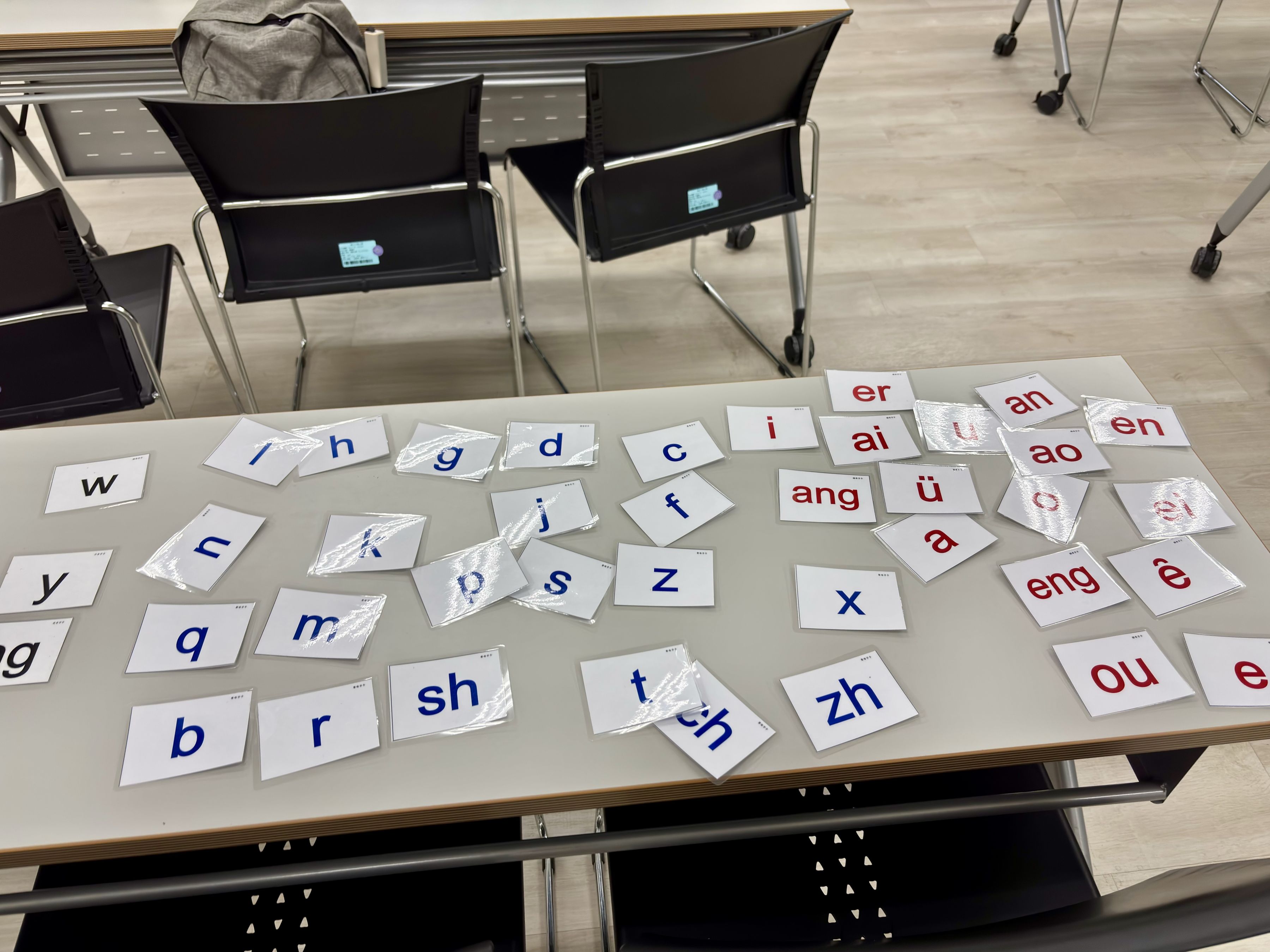
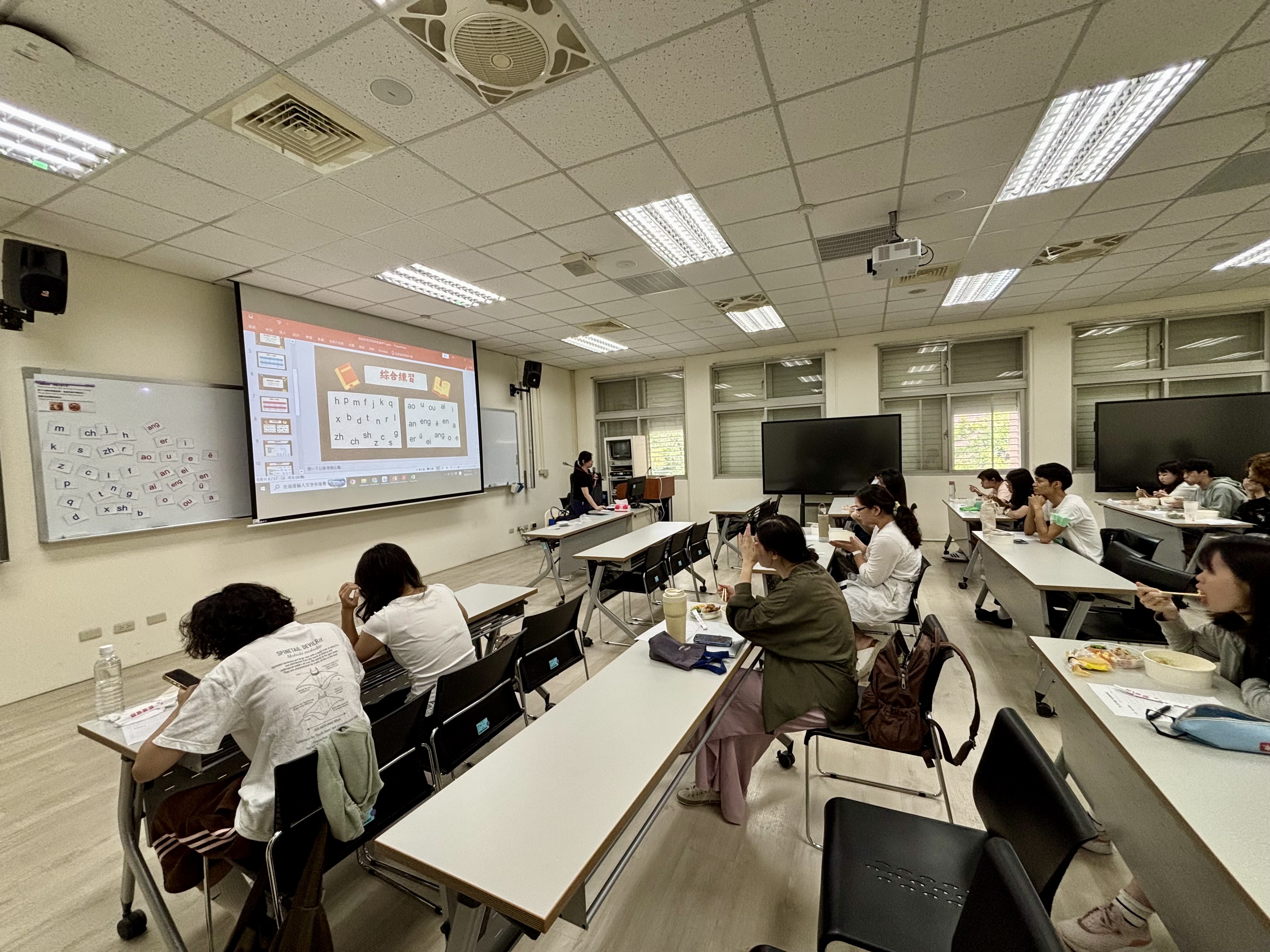
接續第一堂的拼音系統,這堂課進一步聚焦在實際帶練時最常遇到的發音難題:聲調的辨別與糾正、容易混淆的聲母韻母組合,以及如何在不打斷對話節奏的情況下給出有效的發音提示。目標只有一個——讓學伴在陪練時,真的幫得到。
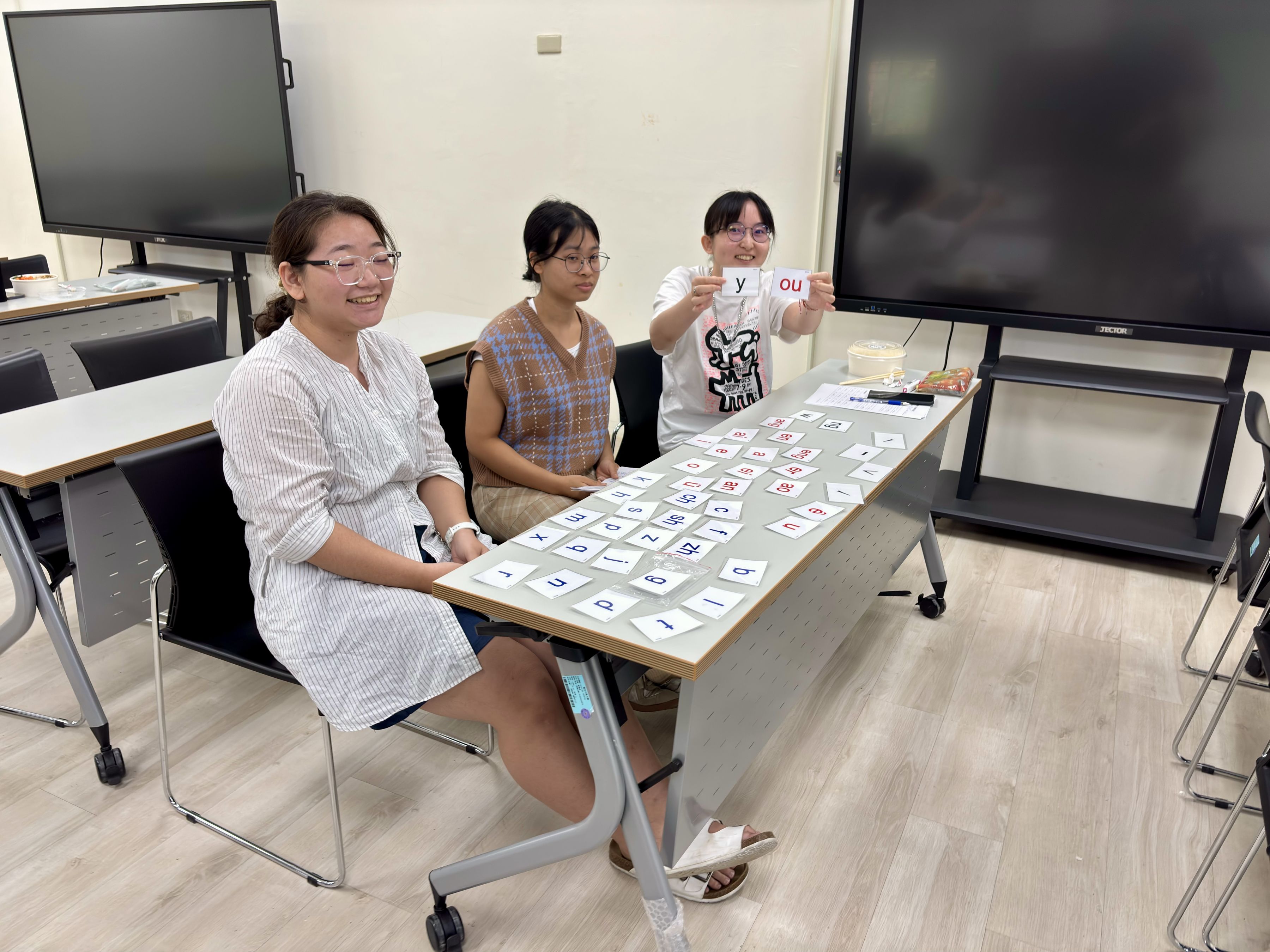
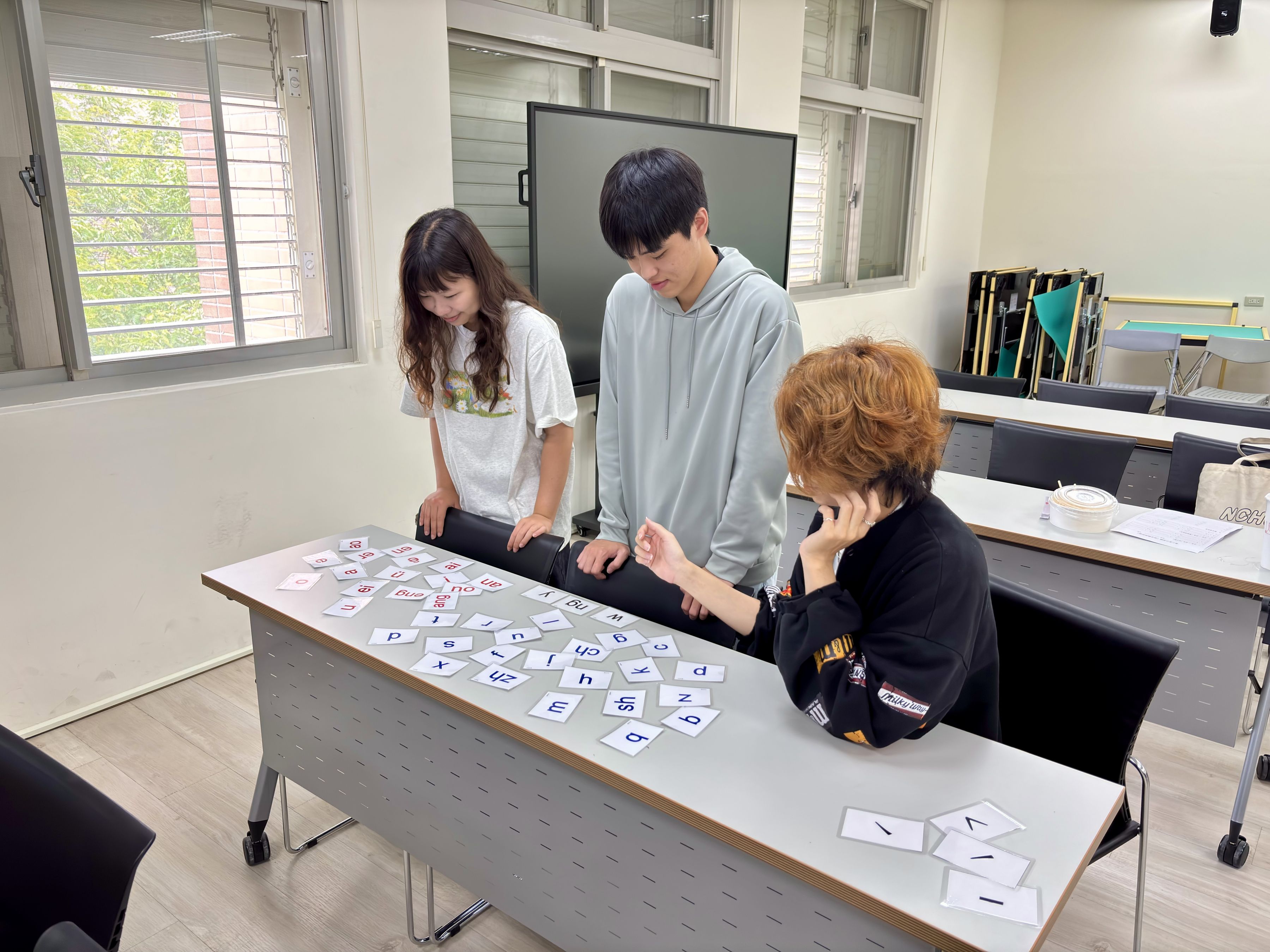
第二階段
從培訓到真實的相遇
配對之後,學伴們自由安排見面時間。他們一起去夜市點餐、在植物園讀解說牌、逛忠孝路吃地瓜球和臭豆腐,也一起去宮原眼科、科學博物館、南寮漁港——用在地人的腳步,帶國際學生認識這座城市。
忙碌的時候,他們改成視訊線上見面,聊各自國家的節慶、服飾、飲食文化,話題從越南的方形粽子聊到台灣的媽祖繞境,從印度的神話故事聊到日本和台灣表達禮貌的不同方式。
學伴的話
收穫,來自兩個方向
每次交流結束後,台灣學伴都會記錄下這次見面發現了什麼、自己獲得了什麼。這些文字,比任何課程介紹都更能說明學伴計畫的意義。
「透過向學伴介紹展覽內容,我發現自己的中文表達能力比想像中更有限,尤其是要解釋歷史背景時。這次出遊讓我更了解如何用簡單的中文說清楚複雜的事情。結束後一起去逛附近的傳統市場,學伴嘗試用中文跟攤販買東西,雖然有點緊張,但成功了。」
「我以為自己對台灣很熟悉,但和學伴交流之後,才發現有很多地方自己也從來沒有認真想過。透過這次機會上網找了一些資料,發現更認識了自己一直生活在這裡的台灣。」
「看著學伴在配合我的節奏慢慢嘗試說中文,那種感覺讓我很有成就感。我也學會了慢慢說話,把字詞的聲調說清楚。平常跟台灣朋友交流不會特別注意自己的表達,但和學伴見面後,我發現自己的語言組織能力在悄悄進步。」
「反思自己正在學的外語,我想遇到本地人要進行對話一定很困難而且很緊張,所以我希望作為學伴的職責不只是教他們中文,而是讓他們可以用另一個角度認識台灣文化。」
「和學伴的交流讓我更了解外國學生雖然整天都在學習,但還是有自己的壓力,以及對於學完中文之後在工作上如何應用的擔憂。這次的分享讓我對語言學習有了不一樣的認識。」
「一起去吃河粉和中興奶茶,也帶了麻糬和金柑乾分享,練習口味的說法,像是鳳梨、芝麻。我發現他們在一起的時候會嘗試說蠻多中文,可能是因為同鄉又一起上課,彼此之間有一種安心感。」
「語言學習一直是需要循序漸進的,包含我自己學英文或韓文,也都需要練習和日積月累。雖然學伴有考中文檢定的壓力,但我還是希望他們能一步步來——我相信他們一定學得好中文的。」
語言學習從來不是單向的。這個學期,台灣學生幫助國際學生練習中文,而國際學生也讓台灣學生重新認識了自己生長的土地。這,是學伴計畫最珍貴的地方。
English
Language learning takes more than a textbook. It takes someone who will stop, slow down, and talk with you.
This spring, the Chinese Language Center launched its Language Buddy Program, pairing NCHU local students with international students from the Chinese Language program. Together, they took language practice out of the classroom and into Taichung's streets, cafés, night markets, and beyond.
Phase OneBuilding the Buddies: Five Training Workshops
Before the pairings began, local students attended five workshops designed to build the knowledge and cross-cultural awareness needed to support their international partners.
March 31 · 12:00–14:00 · Wannianlou
Core Competencies: Role Definition and Chinese Conversation Practice
A language buddy is not a teacher — but not just a conversation partner either. This session helped local students define their role: how to guide international students to speak Chinese without taking over; how to adjust pace and difficulty based on the learner's level; and how to ask questions that open conversation rather than close it.
April 17 · 12:00–14:00 · Wannianlou
Lunch Meetup: First face-to-face meeting with international students
After the training, the most important step was simply meeting in person. This lunch meetup brought local buddies and their paired international students together for the first time — introductions over food, no textbooks, no assignments. Just a meal. And often, the beginning of something longer.
April 24 · 12:00–14:00 · Wannianlou
Living Culture: Social Norms, Etiquette, and Cross-Cultural Communication
Beyond vocabulary and grammar, culture is where communication gets complicated. This session helped buddies recognize the unspoken rules of Taiwanese interpersonal life — what polite deflection actually means, the etiquette around giving and receiving gifts, how face culture shapes everyday conversation. The goal: to help buddies explain not just what Taiwanese people say, but why they say it.
May 7 · 12:00–14:00 · Wannianlou
Mandarin Pinyin and Pronunciation (I): From Zhuyin to Pinyin
Taiwanese students grew up with Zhuyin; international students learn Hanyu Pinyin. Same purpose, entirely different symbols. This session gave buddies a systematic understanding of Pinyin — which symbols map onto Zhuyin, which ones are easy to confuse, and which pronunciations contain details that native speakers rarely stop to think about. With this foundation, buddies can actually identify where a pronunciation goes wrong — and know how to help.
May 15 · 12:00–14:00 · Wannianlou
Mandarin Pinyin and Pronunciation (II): From Zhuyin to Pinyin
Building on the first session, this workshop focused on the pronunciation challenges that come up most often during practice: distinguishing and correcting tones, navigating easily confused initial-final combinations, and giving useful feedback without breaking the flow of conversation. One goal: to make sure that when a buddy says "that doesn't sound right," they can also say why — and what to do instead.
Phase Two
From Training to Real Connection
Once paired, buddies arranged their own meeting times. They explored night markets, practiced reading menus, wandered through Botanical Garden reading interpretive signs, tried local snacks on Zhongxiao Road, and visited Miyahara, the Science Museum, and Nanliao Fishing Harbor — showing international students Taichung the way locals know it.
When schedules got busy, they switched to video calls — talking about festivals, traditional clothing, and food. Conversations ranged from Vietnam's square rice dumplings to Taiwan's Mazu pilgrimage, from Indian mythology to the subtle differences between Japanese and Taiwanese politeness.
In Their Own Words
What They Discovered
After each meeting, local buddies filled in their exchange logs — noting what they observed, what surprised them, and what they took away. These notes say more about this program than any description could.
"When I tried to explain the exhibition to my buddy, I realized my own Chinese was more limited than I expected — especially when describing historical background. Afterward, we wandered into a nearby traditional market and my buddy tried to buy something entirely in Chinese. They were a little nervous, but they did it."
"I thought I already knew Taiwan well. But through these exchanges, I found myself discovering parts of my own home that I had never really stopped to think about. I looked things up afterward and ended up learning more about the place I've lived my whole life."
"Watching my buddy slowly try to speak more Chinese, at their own pace — that gave me a real sense of accomplishment. I also started noticing my own speech: slowing down, making tones clearer. I don't think about that when talking with Taiwanese friends. But here, I did."
"Thinking about my own experience learning a foreign language, I know how nerve-wracking it is to speak with a native speaker. So I came to see my role not just as a Chinese tutor, but as someone who could help them experience Taiwan from a different angle."
"Through our conversations, I came to understand that international students carry their own pressures — not just the pressure of learning Chinese every day, but also worries about how they'll actually use it in their future careers. That changed how I think about what we're doing together."
"We went out for rice noodles and bubble tea. I brought mochi and kumquat candy to share, and we practiced describing flavors in Chinese. I noticed that when the two of them were together, they tried speaking more Chinese — there was something easier about it when they weren't alone."
"Language learning takes time — whether it's Chinese, English, or Korean. Even with the pressure of an exam, I kept telling my buddy: take it one step at a time. I genuinely believe they'll get there."
Language learning is never one-directional. This semester, local students helped international students practice Chinese — and international students helped local students see their own home through new eyes. That is what makes this program worth doing.


